
Passing Through Nijmegen
Photos taken on the road from Hengelo to Eindhoven.
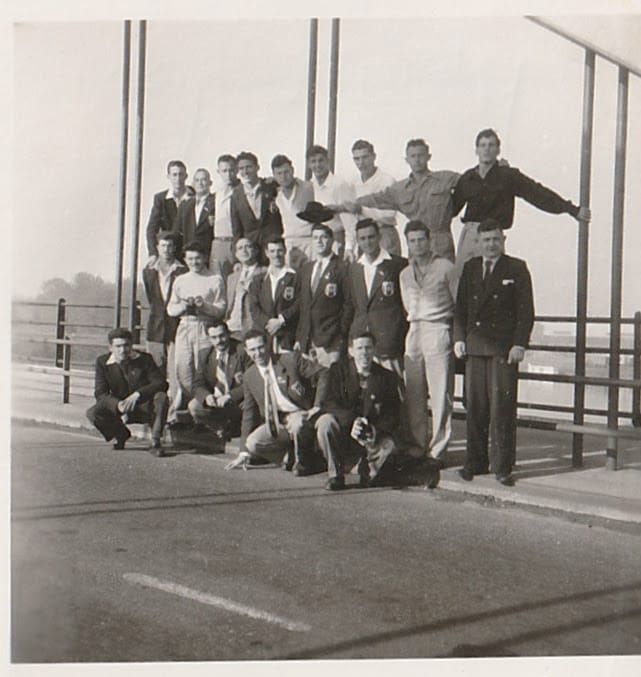
On September 14, 1956, the Rehovot handball delegation departed Hengelo, traveling by bus toward Eindhoven. Along the route, my father captured the photograph below, noting in his records: "A big bridge near Nijmegen on the way to Eindhoven."
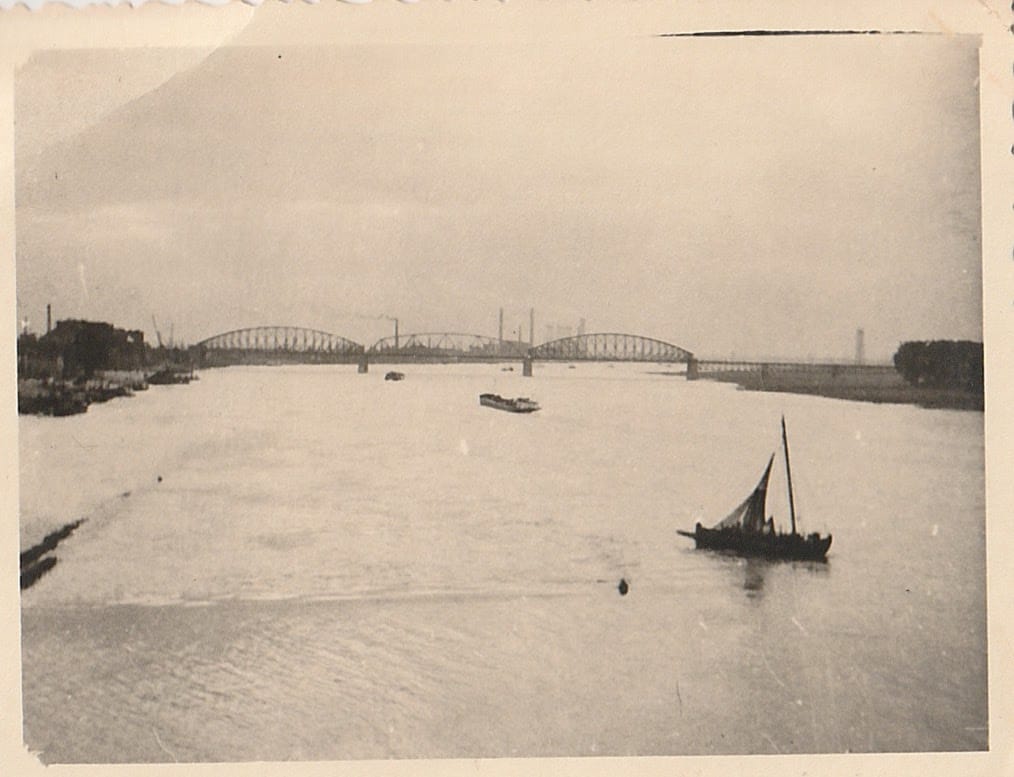
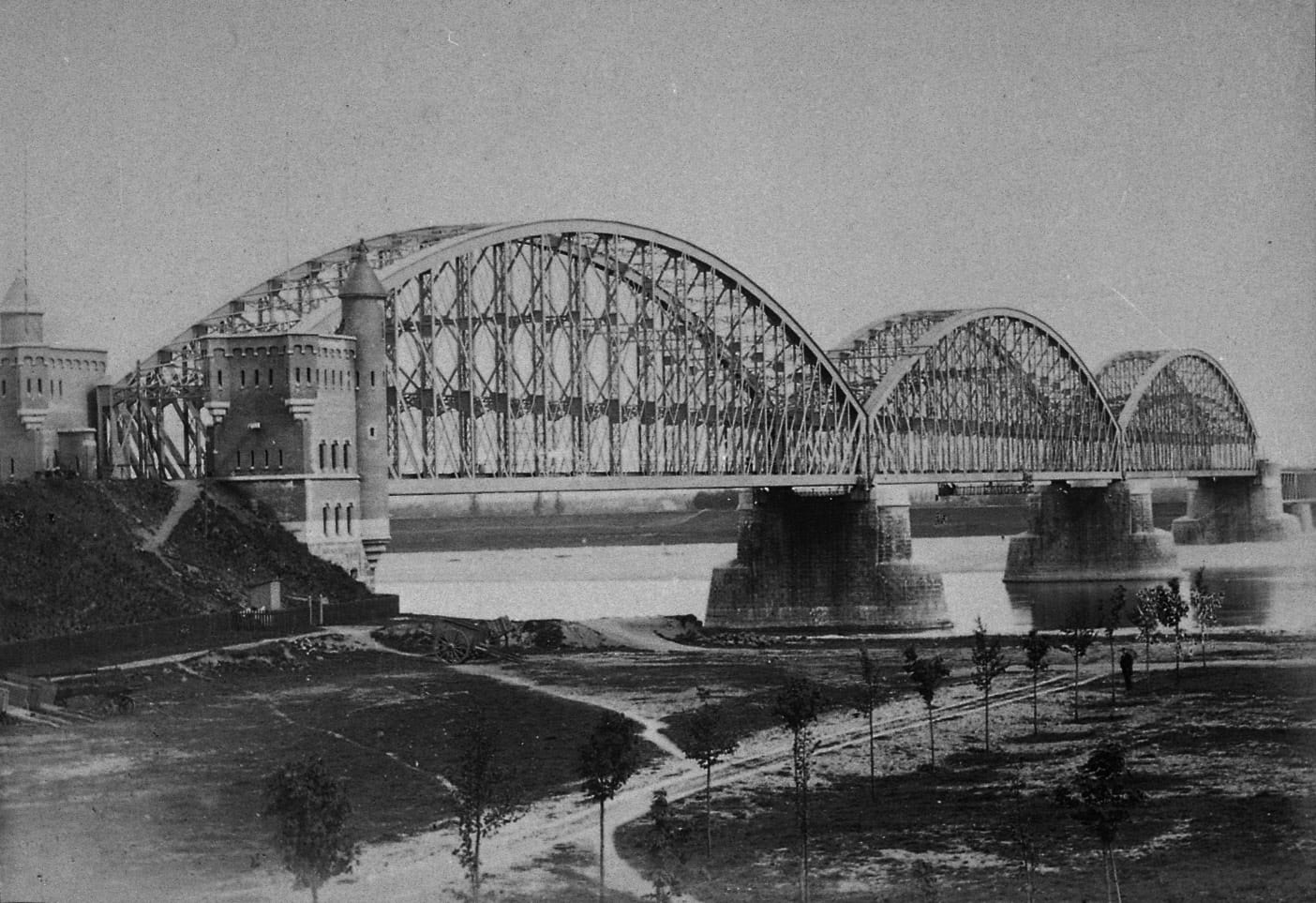
The Nijmegen Railway Bridge as captured by my father (left), and the original bridge shortly after its construction in 1890 (courtesy of the Nijmegen Regional Archive)
The Nijmegen Railway Bridge (Spoorbrug) crosses the Waal River. Its construction began in 1875 and lasted until 1879. On May 10, 1940, the original bridge was blown up by the Dutch military to halt the advancing German army. Following its destruction, a provisional single-track arch bridge was installed, allowing the railway crossing to be put back into use by November 17, 1940. The bridge was officially restored and completed around October 1950. To facilitate the passage of larger ships, the bridge was reconstructed in 1983. The new structure maintained the truss style but was updated to feature a single, wider arch instead of the three arches seen in the 1956 photograph.
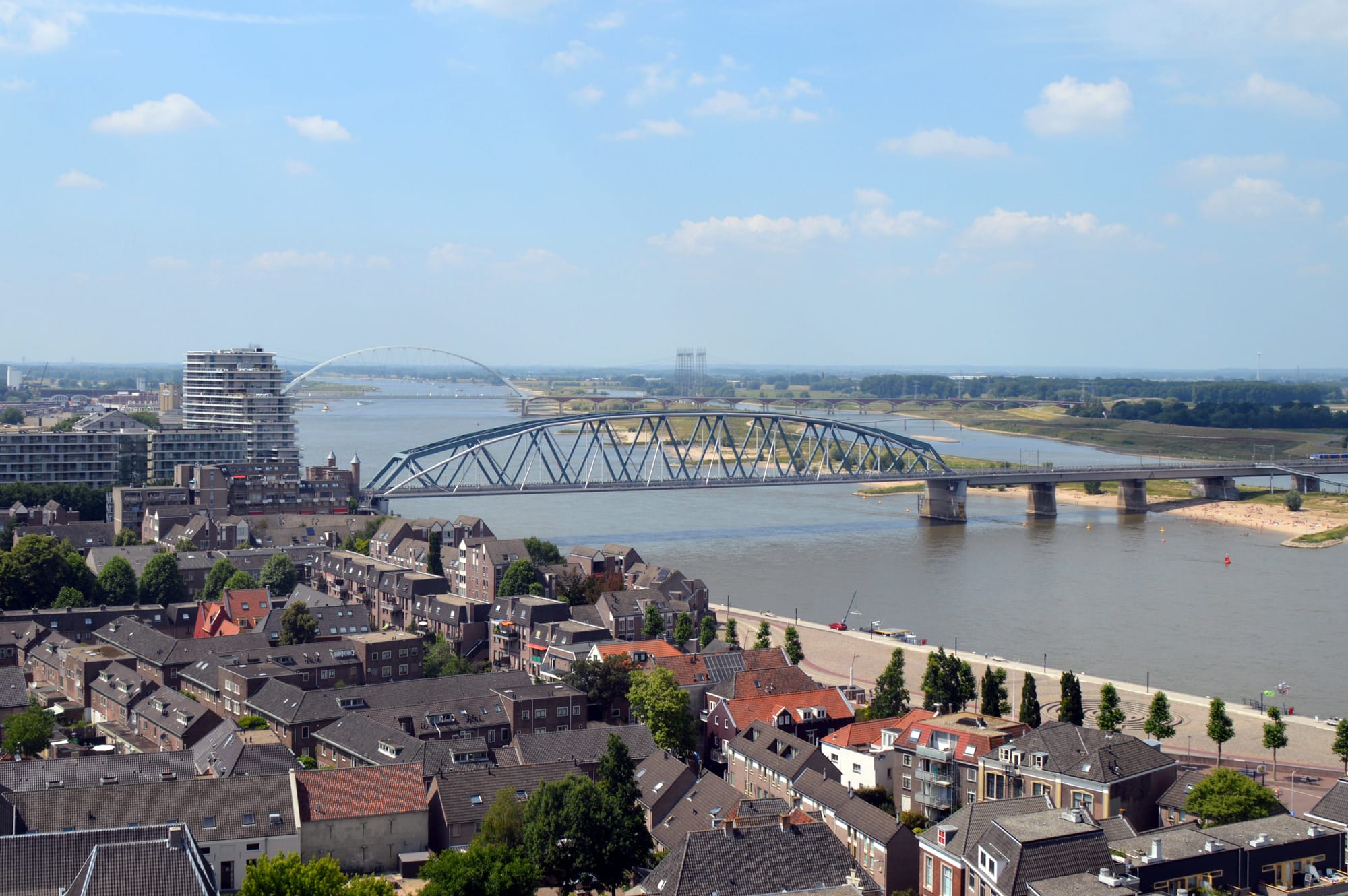
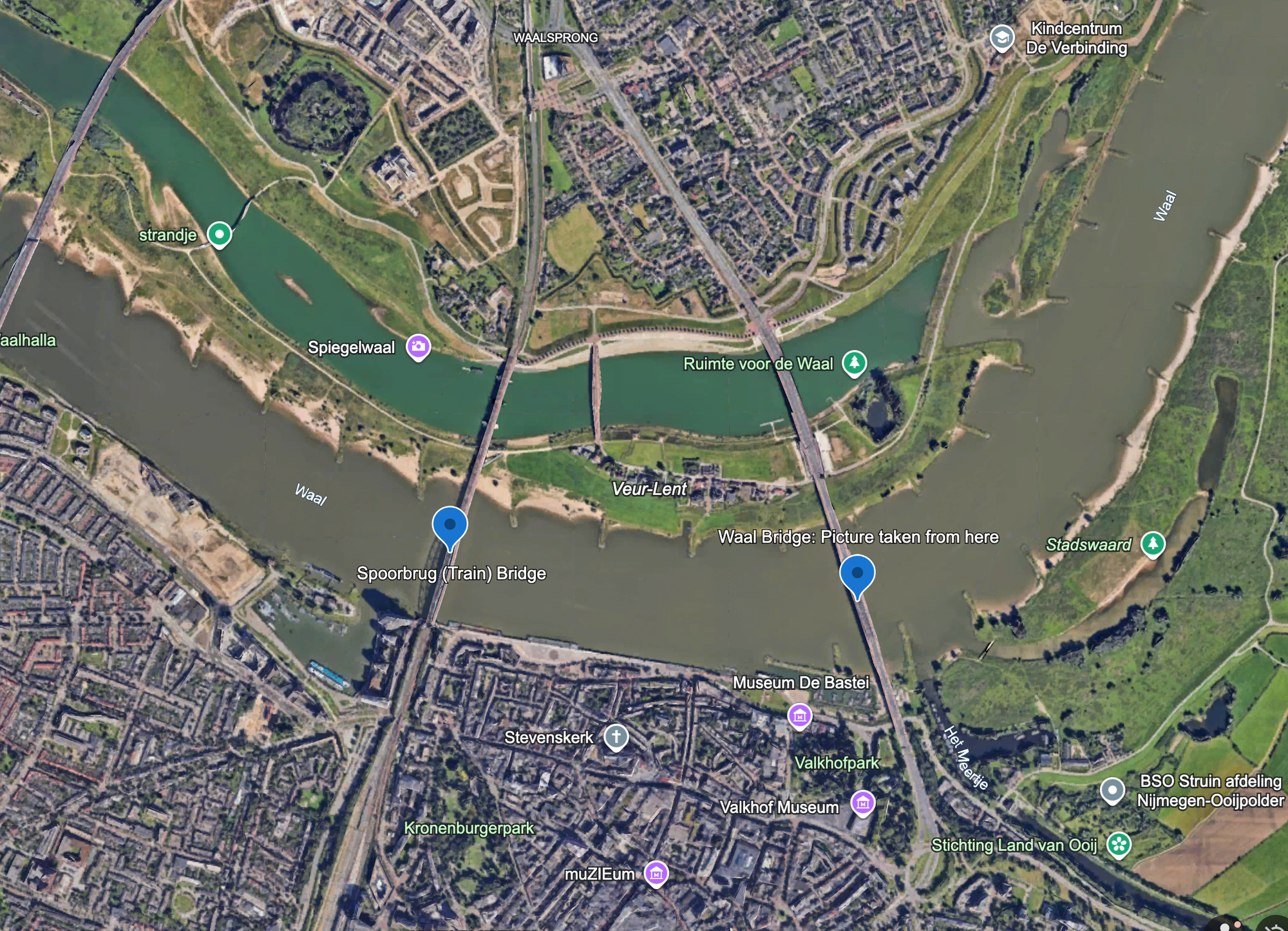
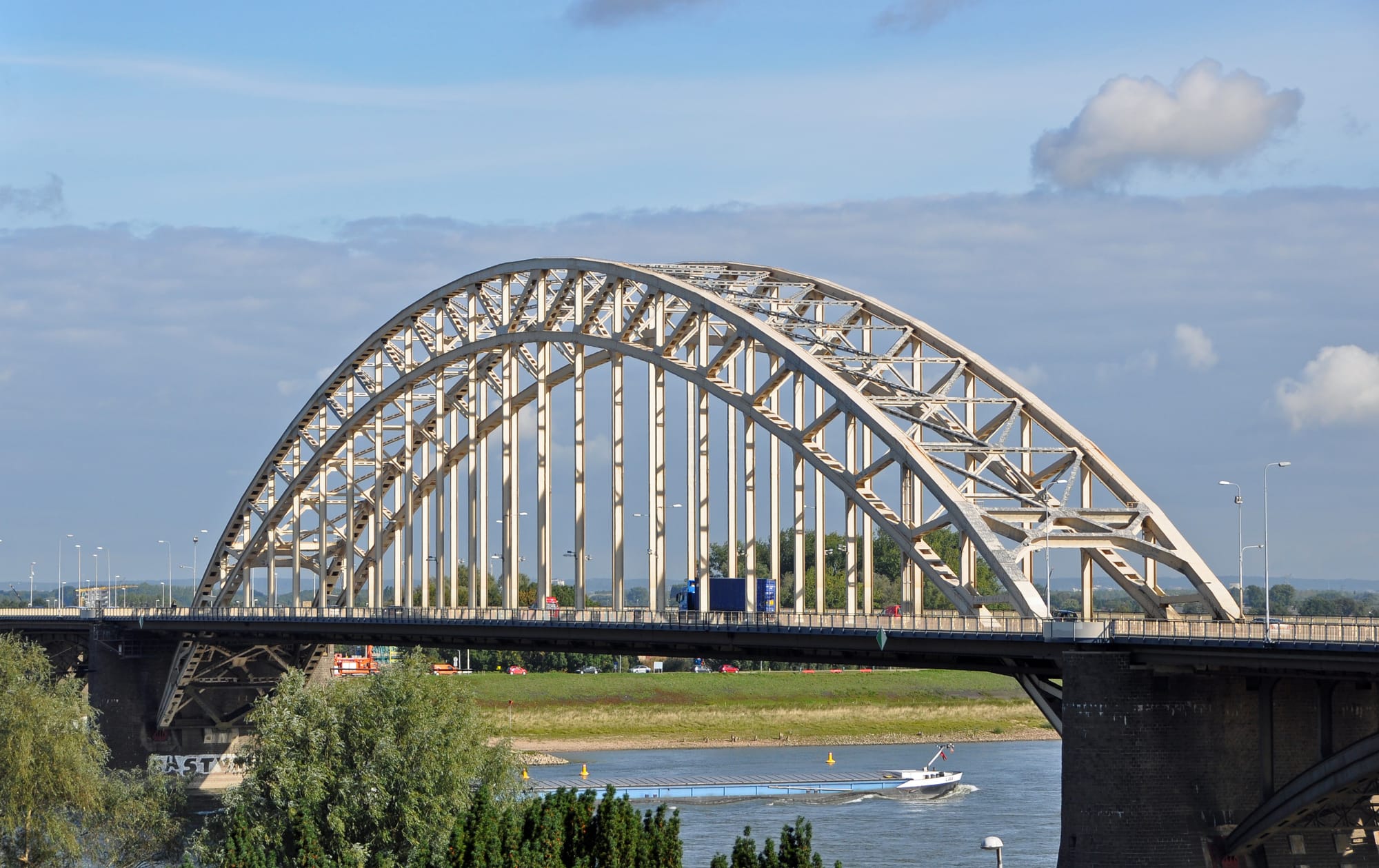
The Spoorbrug on the left (By Roger Veringmeier) and the Waalbrug on the right (By Marc Ryckaert (MJJR)) as they stand today, alongside a map showing the locations of the photographs from the trip.
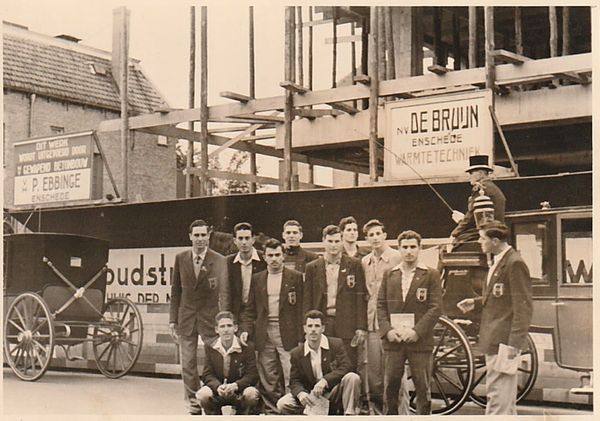
The team photograph was likely taken on the Waalbrug. My father took advantage of this stop in the journey, using the elevated vantage point to capture a photo of the parallel Spoorbrug before the team returned to the bus.
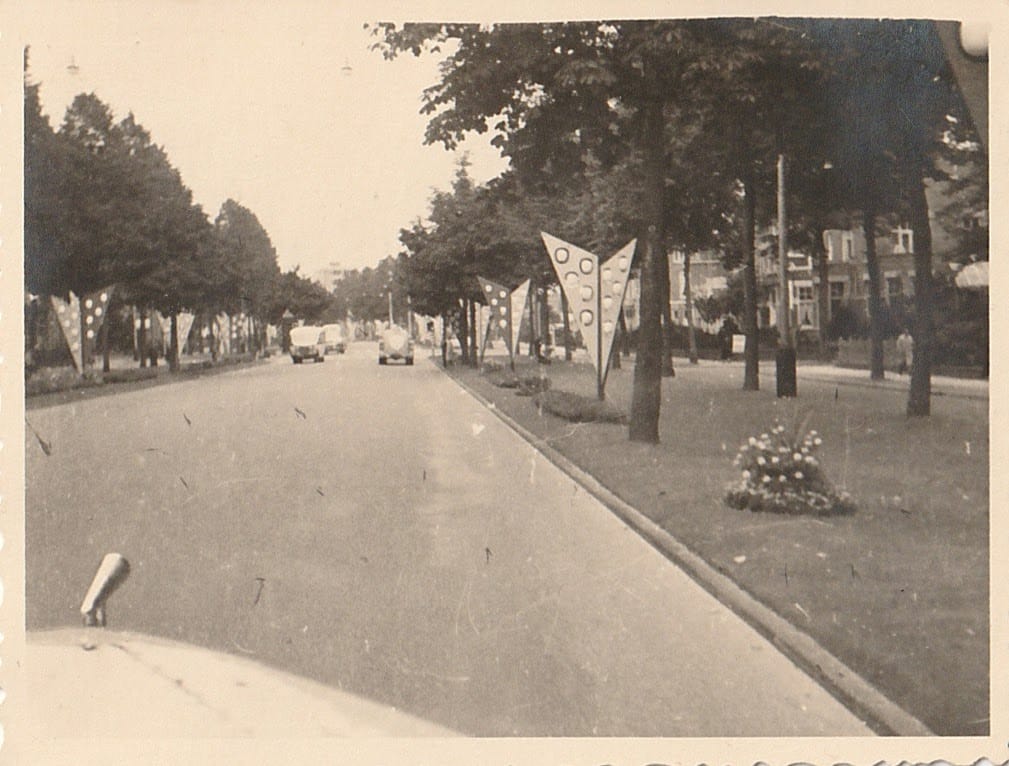
My father noted in the Album that this is the place where the march starts. He was referring to the International Four Days Marches, or De Vierdaagse, which has been permanently hosted in Nijmegen since 1925. Originally established in 1909 as a Dutch military training exercise designed to build soldiers' stamina, the event had already grown into a major international gathering by the time he drove through the city. The year 1956 was particularly significant, as it marked both the 40th edition of the marches and the 10th anniversary of Nijmegen's post-war reconstruction. Today, De Vierdaagse has evolved into the largest multiple-day walking event in the world, earning the nickname "The Walk of the World". Held annually in mid-July, it now attracts over 40,000 civilian and military participants from dozens of countries who march 30, 40, or 50 kilometers each day.
A timelapse of the 99th Nijmegen Four Days Marches.
The timelapse captures the participants crossing the Waalbrug. As the event traditionally takes place during the third week of July, my father's journey through the city occurred well after the marches had ended. It seems like a fun challenge, and one I plan to add to my own to-do list.
Leave a Comment
Do you recognize a player, a location, or have a story about this tour? Please share your knowledge below. You can comment using just a nickname—no account required.