
Across the Mediterranean sea
Photos and stories from the delegation’s voyage to Europe and their unexpected flight back home.
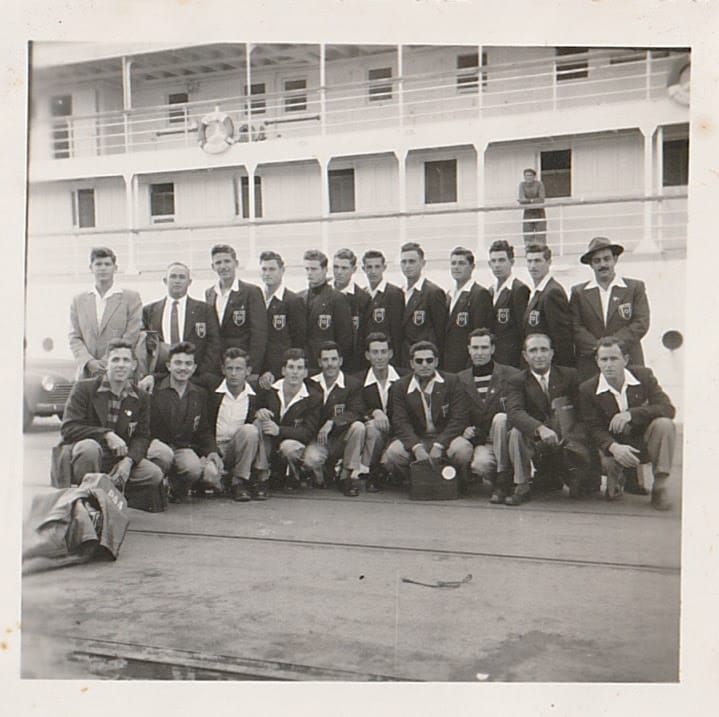
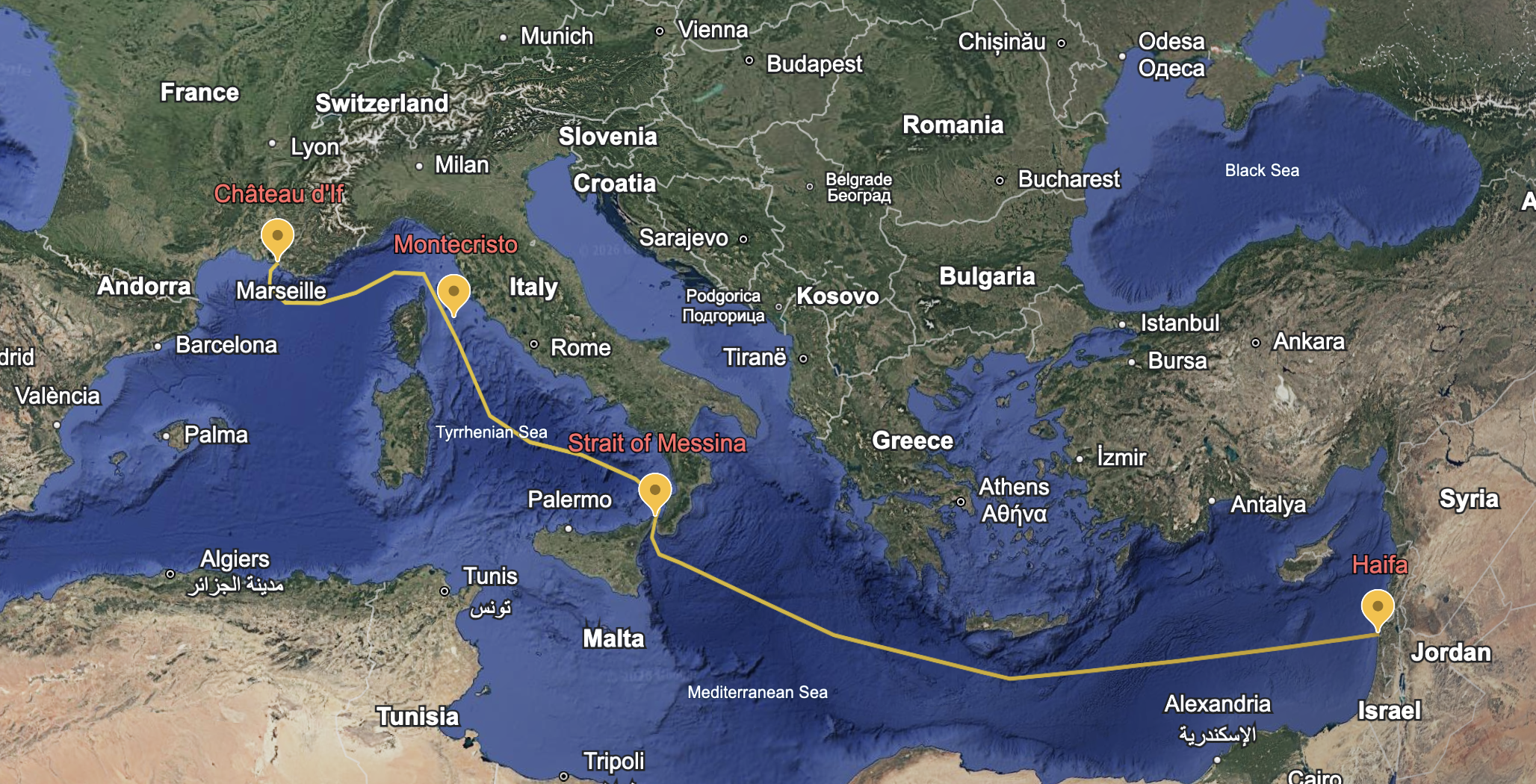
The Rehovot delegation embarked on the Italian ship SS Pace Genova at Haifa Port on September 1, 1956. On September 3, the ship passed through the Strait of Messina.
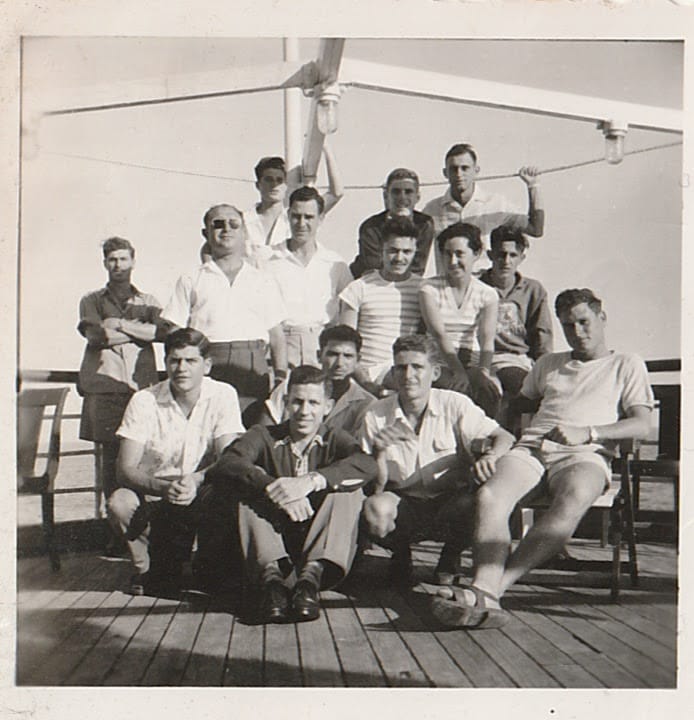
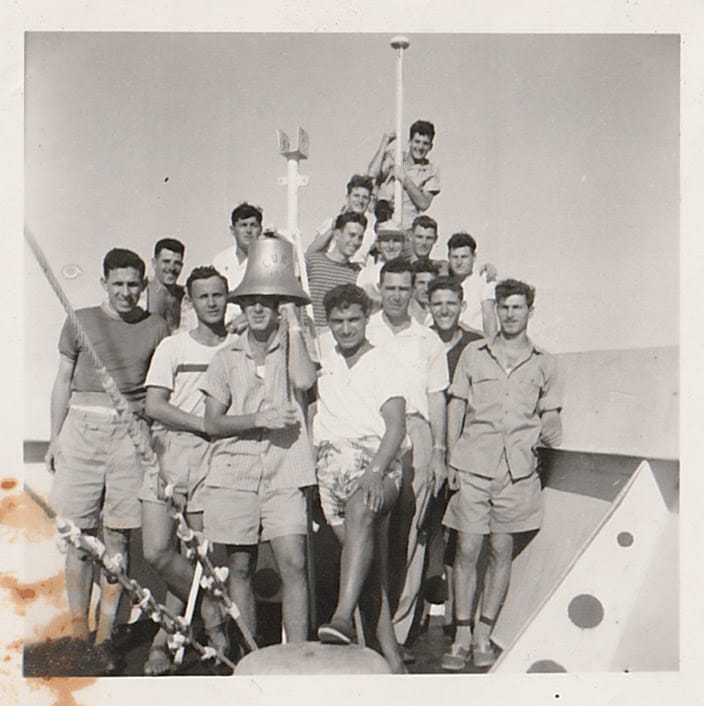
On the Pace's deck, first day of travel
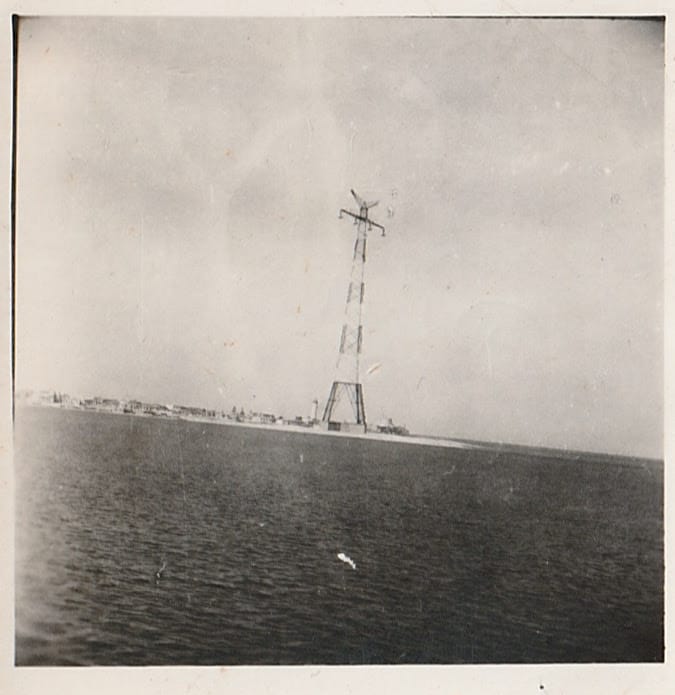
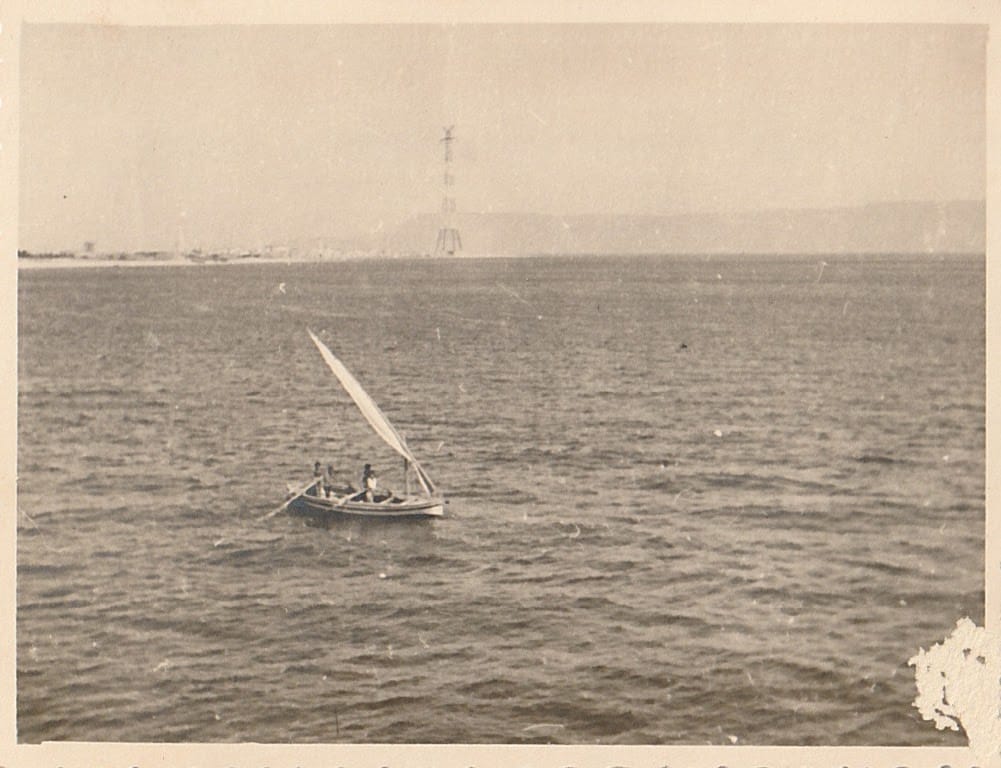
Passing via the strait of Messina. A boat is coming to take the mail.
On September 5, just before entering the Port of Marseille, they passed by the Château d'If, located on a small island at the entrance to the harbor.
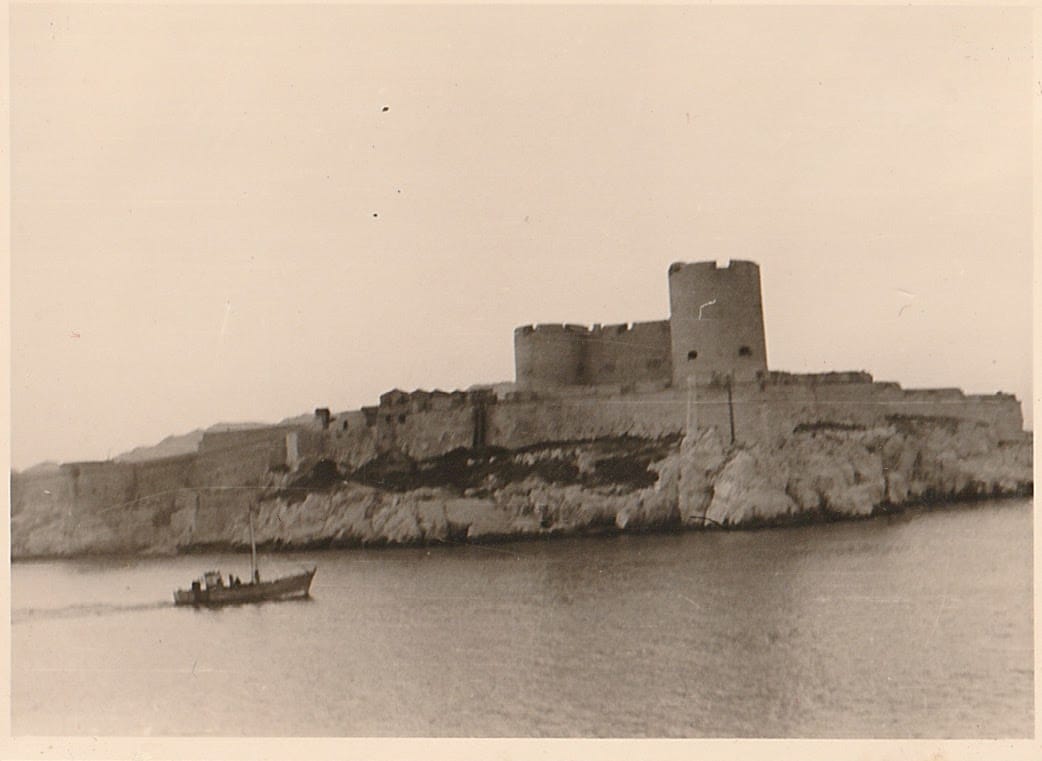
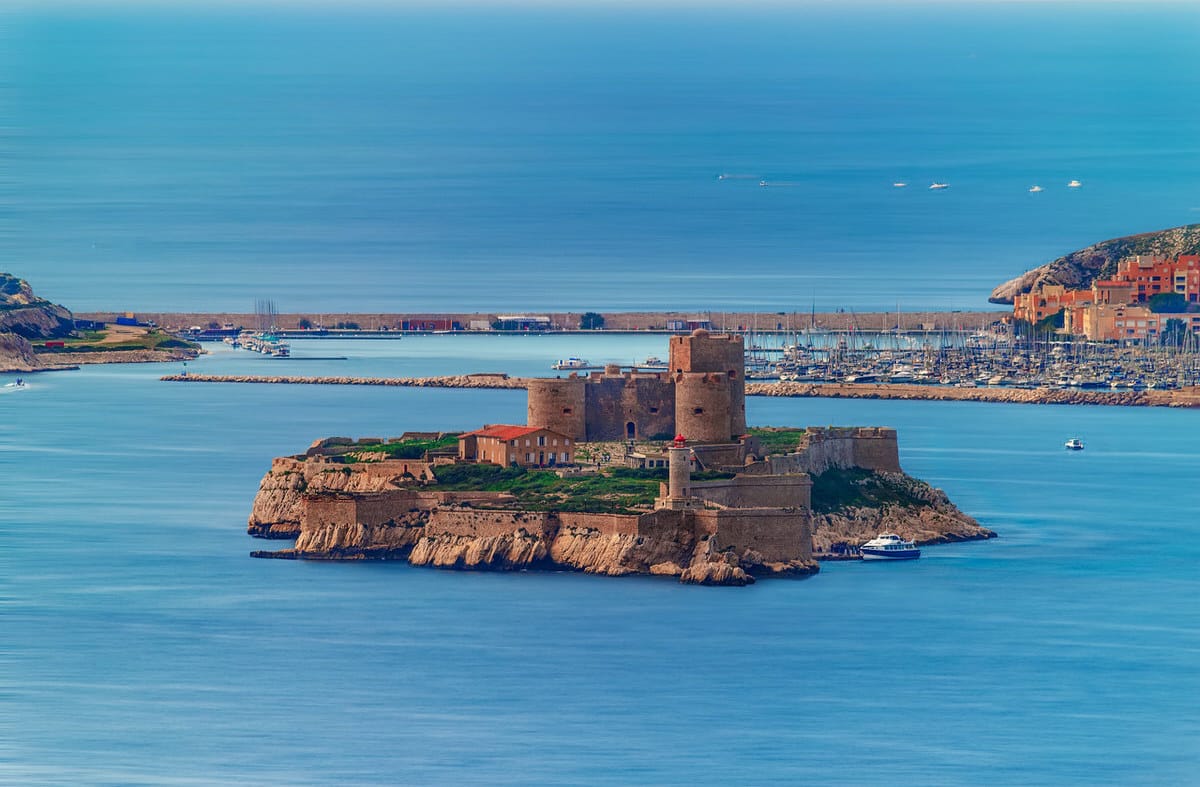
Château d'If as captured by my father in 1956 (left) compared to the site today (right). Photo credit: Marian Baciu (https://www.marianbaciu.com/)
The fortress became famous after Alexandre Dumas used it as the setting for his 1844 novel, The Count of Monte Cristo. In the novel, the protagonist Edmond Dantès, a common sailor who later assumes the title of count, and his mentor, the Abbé Faria, are imprisoned in the island fortress. After 14 years, Dantès makes a daring escape, becoming the only person ever to do so and survive.
In his photo album, my father wrote: "The Monte Cristo fortress at the entry to Marseille port." Interestingly, on her journey up the Italian coast, the Pace may have also passed near the actual Island of Montecristo in the Tuscan Archipelago, where Dantès retrieves his hidden fortune in the novel.
The map below illustrates the probable route taken by the Pace Genova, highlighting key points of interest along the way.
The SS (Steamship) Pace Genova was built in 1921 and was originally named the SS Cuba. In 1947, it was acquired by the Italian shipping line Ignazio Messina & C. and refitted as the SS Pace. The Italian word pace (pronounced PAH-cheh, or פצ'ה in Hebrew) means "peace."
Operating a regular maritime route between Genoa, Marseille, and Haifa, the vessel served a dual purpose in the mid-1950s: carrying merchants and travelers on its westward voyages to Europe, while bringing new immigrants on its eastward return legs to Israel. Many of these immigrants had traveled from North Africa or Eastern Europe, using the Grand Arénas (Camp d'Arénas) transit camp near Marseille as their final staging point before boarding the Pace for Israel.
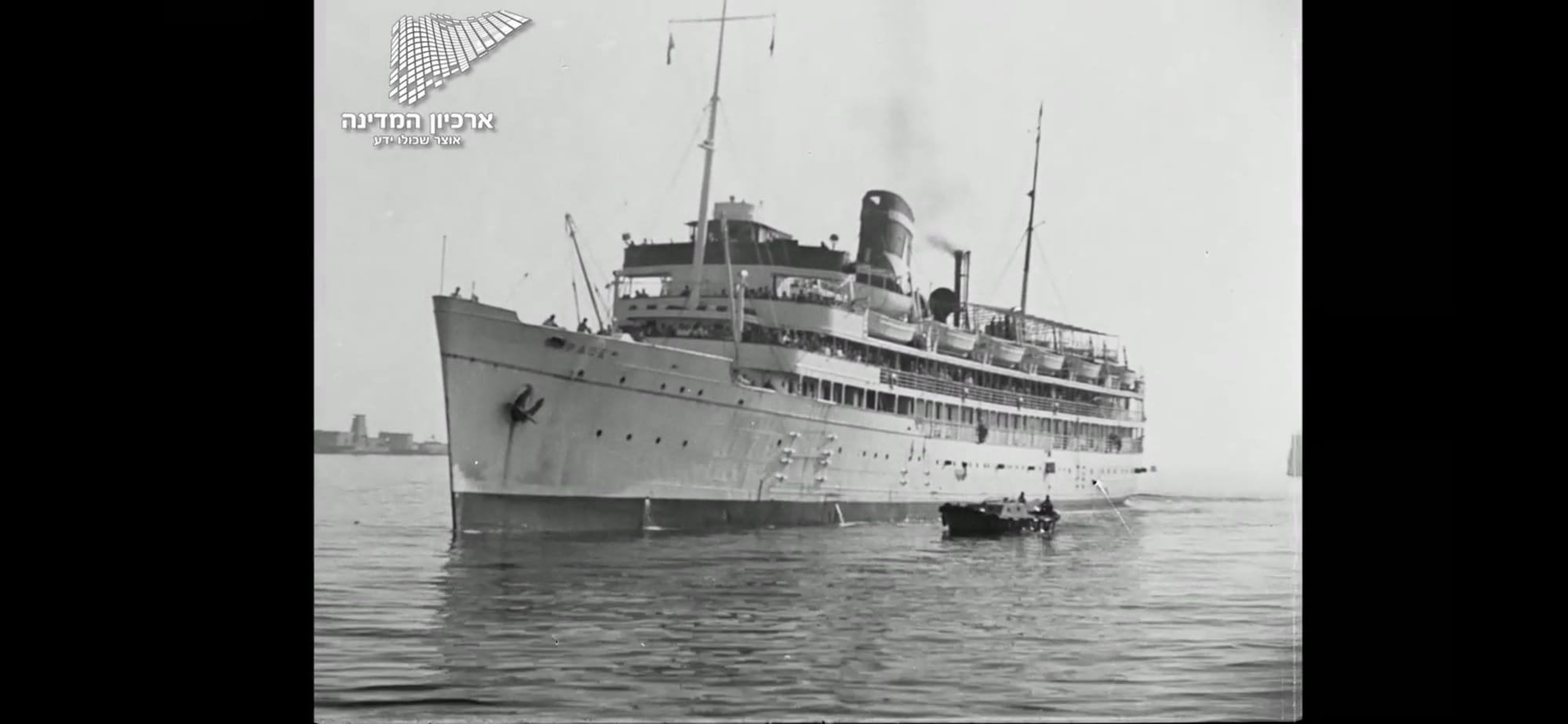
The SS Pace was frequently captured in Israeli newsreels of the mid-1950s. Because it regularly ran the route between Genoa, Marseille, and Haifa, the Nathan Axelrod Newsreel Collection contains film footage of the ship titled "The Ship Pace Genova is Anchored in Israel" from October 1956. The footage captures the vessel arriving at Haifa Port and passengers disembarking onto the platforms. You can view the newsreel in the Israeli Film Archive [here].
The first part of the newsreel shows President Yitzhak Ben-Zvi and his wife Rachel Yanait Ben-Zvi attending an official public gathering (up to second 10). This segment is part of the longer Carmel Newsreel II-212, dated October 6, 1956, which covers news from Israel and abroad, alongside a rather bizarre selection of circus scenes. Unfortunately, no transcript or voice track has survived for these newsreels. It is fascinating to realize that this was how people watched the news before the era of television.
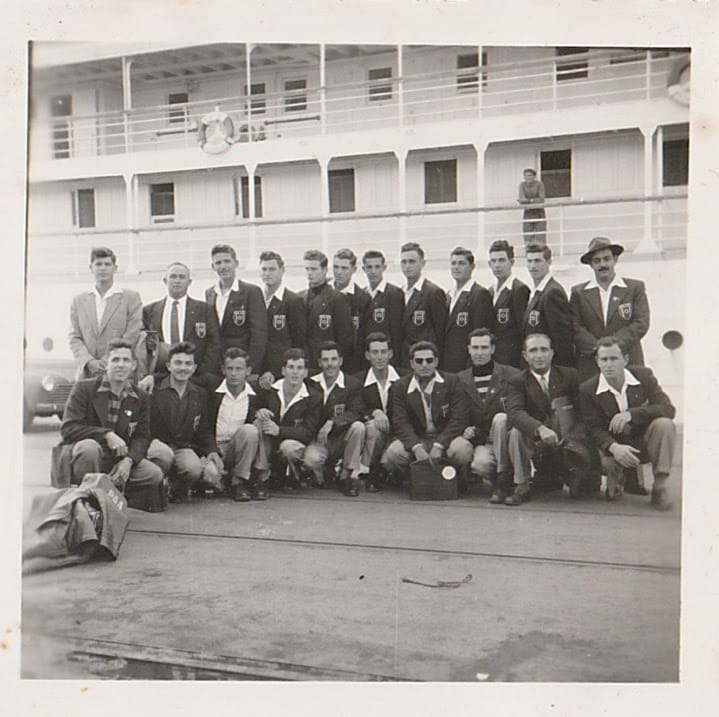
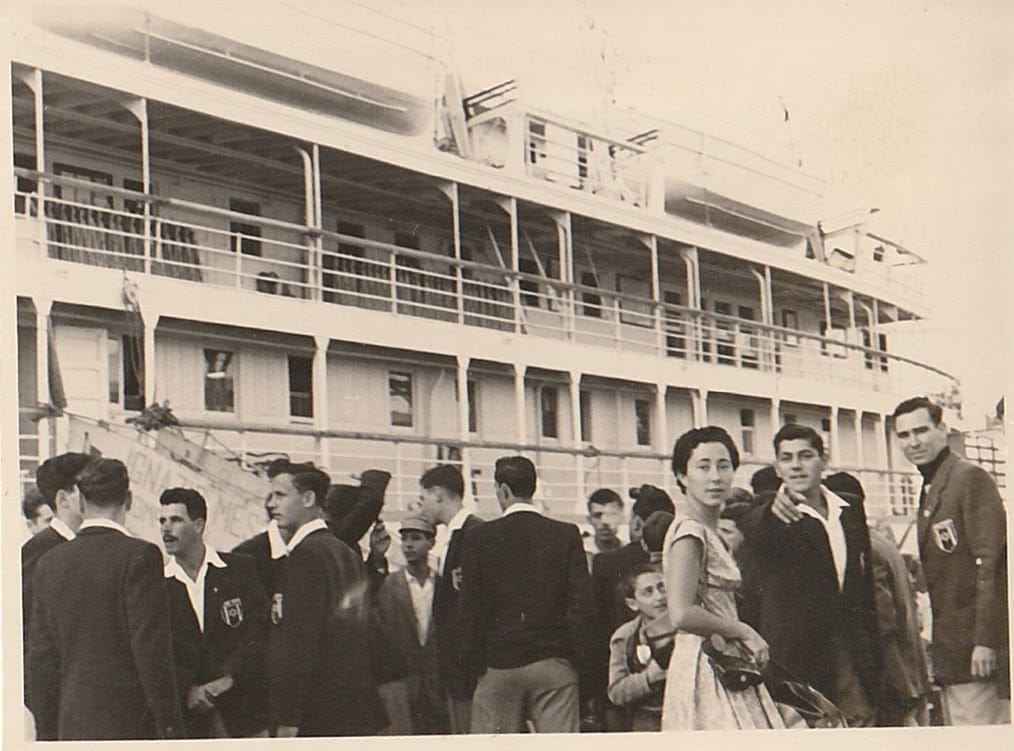
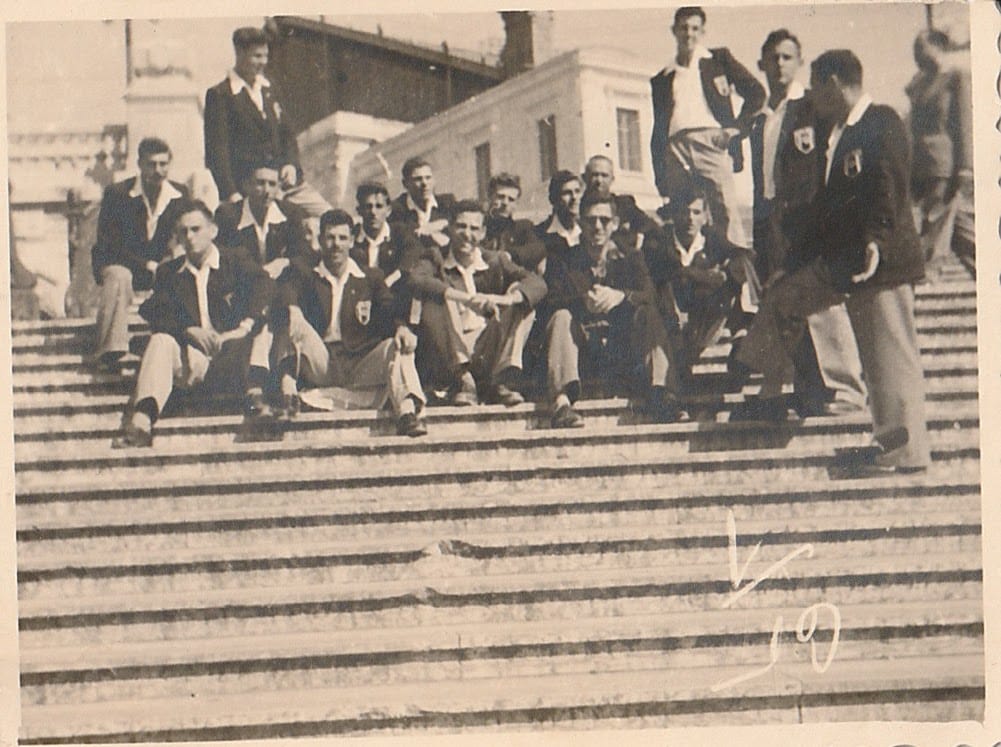
Arriving in Marseille, France: The photo on the right was taken inside the new Saint-Charles Train Station in Marseille, just before boarding the train to Paris.
Yaakov Sendler remembered that each delegation member was allocated 10 USD for the trip. At the time, Israel was still in the austerity period (Tzena), which would end only in 1959. Buying dollars or any foreign currency was illegal unless you had special permission from the authorities.
There were basically two groups of players in the delegation: the experienced ones, some of whom had already traveled to Europe with the Maccabi Rehovot delegation in 1954, and the younger team members, like Yaakov, who were still in high school or shortly after.
When Yaakov asked around how they intended to manage an entire month with 10 dollars, the older members said they were going to buy extra dollars on the black market, which everyone knew was located on Lilienblum Street in Tel Aviv. So Yaakov asked his father for help buying more dollars, but his father told him that if the government decided 10 USD was enough for the trip, then it should be enough for him too. Thus, he boarded the Pace with just 10 USD in his pocket.
Shortly after boarding the ship, the captain offered an upgrade: since there were many vacancies, he could upgrade the delegation's accommodations from basic cabins to a better class. The delegation discussed the proposal, put it to a vote, and ultimately decided to upgrade. The upgrade cost 6 USD per person, so Yaakov and a few of the other younger teammates landed in Marseille with only 4 USD left to spend for the rest of the month.
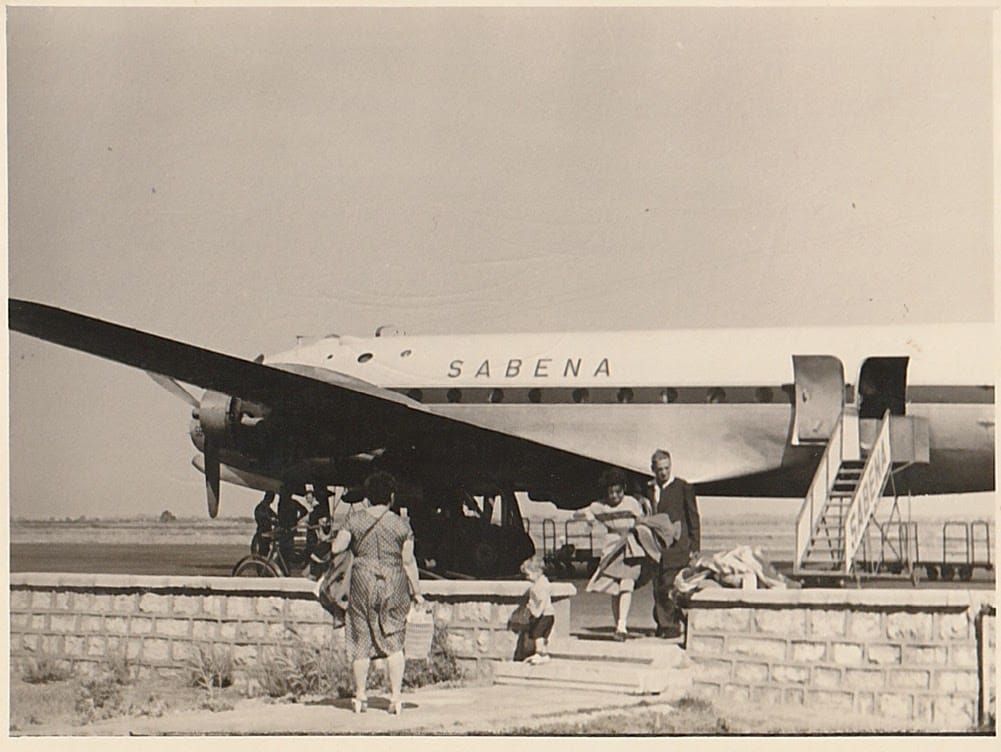
By late September 1956, what was supposed to be a routine return voyage across the Mediterranean on the SS Pace was abruptly upended by geopolitical reality. Behind the scenes, France, Great Britain, and Israel were finalizing secret preparations for Operation Kadesh (the Sinai War), which would officially launch on October 29, 1956. As allied forces chartered and requisitioned commercial passenger vessels out of Marseille to build up military troops and supplies in Cyprus, civilian ship routes across the Mediterranean were canceled. As a result, the Rehovot delegation had to pivot quickly to secure air travel home. On September 30, 1956, their journey across Europe ended aboard a Sabena Douglas airplane, flying from Marseille through Rome back home to Israel.
Leave a Comment
Do you recognize a player, a location, or have a story about this tour? Please share your knowledge below. You can comment using just a nickname—no account required.